
Automated Parking Enforcement: How It Works and Why Property Owners Are Switching
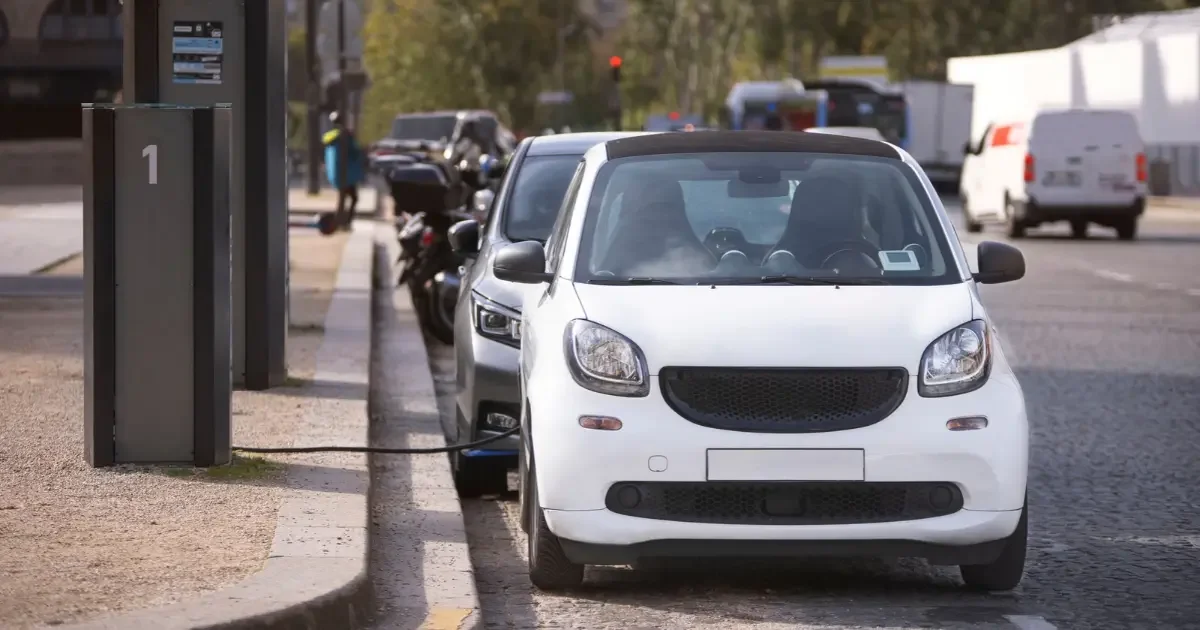
Automated parking enforcement uses cameras, license plate recognition (LPR), and cloud software to detect parking violations without a person walking every lot. The system reads each plate, checks it against your rules, and flags violations the moment they happen. Your team then responds with a warning, a citation, or an on-site patrol.
Manual patrols miss violations Officers cover only so much ground, and drivers quickly learn when and where patrols run. Automation closes those gaps and cuts labor at the same time. This guide explains how automated parking enforcement works, which technologies power it, what challenges to expect, and how to launch it at your property.
Quick answer: Automated parking enforcement replaces manual patrols with cameras and cloud software that check every vehicle against your permit, time, and access rules. Operators review violations in a dashboard and respond with warnings, citations, or on-site dispatch.
Key takeaways
Automation checks every vehicle, while manual patrols check only the cars an officer happens to see.
LPR reads plates, but full enforcement also applies rules, triggers responses, and stores evidence.
Gated and ungated lots both work, but each needs a different setup.
Graduated responses protect your tenants and customers.
The strongest programs pair automation with human response.
What Is Automated Parking Enforcement?
Automated parking enforcement is a system that detects and records parking violations with minimal human involvement. Cameras capture vehicles, software identifies them by license plate, and your rules decide whether each vehicle belongs on the property.
The system replaces the chalk, the clipboard, and the fixed walking route. It watches your lot around the clock and logs every event with a timestamp and an image.
How Automated Parking Enforcement Works
Most systems follow six steps:
Capture: Cameras at entrances, exits, or inside the lot photograph each vehicle.
Read: LPR software converts the plate image into text.
Match: The cloud platform compares the plate against your permits, paid sessions, visitor passes, and blocked vehicles.
Flag: The system marks violations, such as no permit, expired time, wrong zone, or unauthorized entry.
Respond: Your team or the software triggers an action: a warning, a citation, a notification, or a patrol dispatch.
Record: The platform stores photos, timestamps, and logs, so you can defend decisions during appeals and audits.
Detection takes seconds, and it runs without a person on site.
Automated Enforcement vs LPR Alone
License plate recognition only reads a plate. Automated enforcement goes further. It connects that read to live permit data, applies your rules, triggers a response, and stores the evidence. A camera that reads plates gives you data. A full enforcement workflow gives you decisions.
When you evaluate vendors, ask whether the product stops at the plate read or carries the violation through to resolution. For more on how LPR works, read LocoMobi World's guide to a license plate recognition parking solution.
Technologies Behind Automated Parking Enforcement
Several technologies work together:
LPR/ANPR cameras read plates at gates and choke points.
Occupancy cameras and sensors track which stalls hold vehicles and for how long.
Mobile LPR units let patrol vehicles scan plates as they drive through a lot.
Payment and permit tools let drivers pay by phone, so the system knows who paid.
Cloud dashboards and AI analytics surface violations, trends, and hot spots in real time.
Fixed Cameras vs. Mobile LPR Patrols
|
Factor |
Fixed Cameras |
Mobile LPR Patrols |
|
Coverage |
Watch the lot continuously |
Scan only where the vehicle drives |
|
Timing |
Detect violations as they happen |
Detect violations during each pass |
|
Labor |
Need little on-site staff |
Need a driver for every patrol |
|
Best for |
Gated lots, condos, campuses |
Large or spread-out areas, street parking |
Gated vs Ungated Lots
Gated lots already control entry. LPR cameras read plates at the barrier and open the gate for pre-authorized vehicles. When a driver needs help, an intercom or phone line connects them with a live person.
Ungated lots have no barrier, so enforcement must work harder. LPR cameras monitor access, flag unauthorized vehicles, and alert your team. This setup suits condominiums, shared commercial lots, and open-air properties where gates cost too much or take too long to install.
Automated vs Manual Parking Enforcement
|
Factor |
Automated Enforcement |
Manual Enforcement |
|
Coverage |
Monitors every vehicle, 24/7 |
Covers only what officers see on their route |
|
Consistency |
Applies the same rules to every driver |
Varies from officer to officer |
|
Evidence |
Stores timestamped photos automatically |
Relies on notes and handheld photos |
|
Labor |
Needs fewer on-site staff |
Needs a full patrol team |
|
Reporting |
Updates dashboards in real time |
Requires manual data entry |
|
Response |
Triggers alerts and dispatch instantly |
Waits for the next patrol |
Benefits of Automated Parking Enforcement
It catches more violations: The system watches continuously, so drivers stop gambling on patrol schedules.
It treats everyone equally: The software enforces the same rule for every plate, and photo evidence backs up each decision.
It cuts staffing costs: You deploy people only when a real problem needs a response, instead of paying for constant patrols.
It recovers lost revenue: Permit abuse and unpaid parking drain income quietly, and automation closes those leaks.
It improves the driver experience: Drivers skip paper permits and tickets. They pay on a phone, and the camera recognizes their plate.
It generates useful data: Managers see peak hours, repeat offenders, and underused zones, and they adjust pricing and policy with confidence.
The Graduated Response Model
Strong programs escalate in steps instead of fining on first contact:
Notify: The system sends a warning by text or email.
Allow a grace period: The driver gets time to move the car or fix the permit.
Cite: The system issues a citation if the violation continues.
Escalate: Repeat offenders trigger a patrol dispatch or a stronger penalty.
This approach protects relationships with tenants and customers while it still changes behavior. Residential properties benefit most, because residents are long-term customers, and aggressive tactics can drive them away.
Evidence, Appeals, and Payment
Every violation should carry a timestamped photo, a location, and a plate record. Drivers use that evidence to understand the notice, and your team uses it to review disputes fairly. Give drivers a simple online way to appeal and pay, because slow resolution frustrates drivers and delays your revenue.
Challenges to Plan For (and How to Solve Them)
Automated enforcement works best when you address four risks early.
Privacy concerns: Plate data counts as personal information. Set a clear retention period, restrict who can view records, and publish a privacy policy.
Misreads and false flags: No camera reads every plate perfectly. Add a human review step before you issue any penalty.
Driver pushback: Drivers resist surprises. Post visible signage, offer a grace period, and make appeals easy.
Legal compliance: Rules for private lots and public streets vary by region. Check local regulations before you launch, and consult legal counsel where needed.
The Hybrid Model: Automation Plus Human Response
Cameras detect problems, but they cannot walk a driver off a property. That is why the best programs pair automation with people on call.
LocoMobi World's WorldStream Dispatch follows this model. It covers commercial and condominium parking through automated on-demand requests, manual on-demand requests, and scheduled patrols. On ungated lots, LPR Express cameras control vehicle access. On gated lots, 24/7 intercom or phone support puts a live person on the line. In condominium lots, the system sends an automated security request whenever it detects a potential breach or suspicious activity.
The result: you keep your property secure and compliant without a full-time on-site team.
The Foundation Cloud Software and Smart Hardware
Enforcement works only when your access and payment systems work. LocoMobi's parking management solution pairs BriskPark hardware with the WorldStream cloud portal. It also includes tools that make enforcement easier:
LPR Express turns each license plate into an access card for pre-authorized vehicles.
PassagePass lets drivers pay by phone, and the gate scans their plate to let them in.
Call When Here lets visitors enter by calling the gate or door number from their vehicle, with no camera or app required.
To see how these pieces fit together, read LocoMobi's guide to a smart parking management system.
Who Benefits Most?
Commercial buildings protect tenant and visitor spaces. See commercial building solutions.
Condominiums stop unauthorized parking and reduce resident complaints. See condo parking solutions.
Municipalities apply variable rates, congestion pricing, and automated enforcement across a city. See municipal parking solutions.
Mixed-use developments share limited spaces among residents, shoppers, and workers. See mixed-use parking.
How to Launch Automated Parking Enforcement in 6 Steps
Audit your lot: Map entrances, exits, problem zones, and current violation rates.
Write clear rules: Define permit types, time limits, grace periods, and penalties.
Choose your setup: Decide between gated and ungated, and pick your cameras and software.
Post signage: Tell drivers that cameras monitor the property, and explain the rules.
Pilot first: Start with warnings only, then review the data and fix errors.
Go live and review monthly: Track violations, appeals, and revenue, and adjust your rules as needed.
Frequently Asked Questions
What is automated parking enforcement?
Automated parking enforcement is a system that uses cameras, license plate recognition, and cloud software to detect parking violations automatically. It checks each vehicle against your rules and alerts your team when a violation occurs.
How does automated parking enforcement work?
Cameras capture each vehicle, LPR software reads the plate, and the cloud platform compares it against permits and paid sessions. The system flags violations and stores photo evidence for review.
What is the difference between automated enforcement and LPR?
LPR reads license plates. Automated enforcement uses those reads to apply your rules, trigger a response, and record the evidence from detection through resolution.
Is automated parking enforcement accurate?
Modern LPR reads plates accurately in most conditions, but weather, dirt, and camera angles can cause errors. A human review step before penalties protects drivers and your reputation.
Can automated enforcement work without gates?
Yes. On ungated lots, LPR cameras monitor access and flag unauthorized vehicles, and a dispatch service can send a patrol to respond.
Does automated parking enforcement replace security staff?
It reduces the need for constant on-site staff, but it does not eliminate human response. The strongest programs use automation to detect problems and people to resolve them.
Is automated parking enforcement legal?
Rules vary by country, state, and whether the lot is private or public. Check local regulations and consult legal counsel before you launch.
Final Thoughts
Automated parking enforcement gives you complete coverage, consistent rules, and clear evidence, without the cost of constant patrols. Pair it with a human response team, and you protect your property, your revenue, and your driver’s trust.
Ready to Automate Your Parking Enforcement?
LocoMobi World helps commercial buildings, condos, and municipalities secure their parking with AI-powered LPR, cloud software, and on-demand dispatch. Explore WorldStream Dispatch, see our parking management solutions, or contact our team for a tailored recommendation.