
Cloud-Based Parking Access Control SystemThe Complete Guide
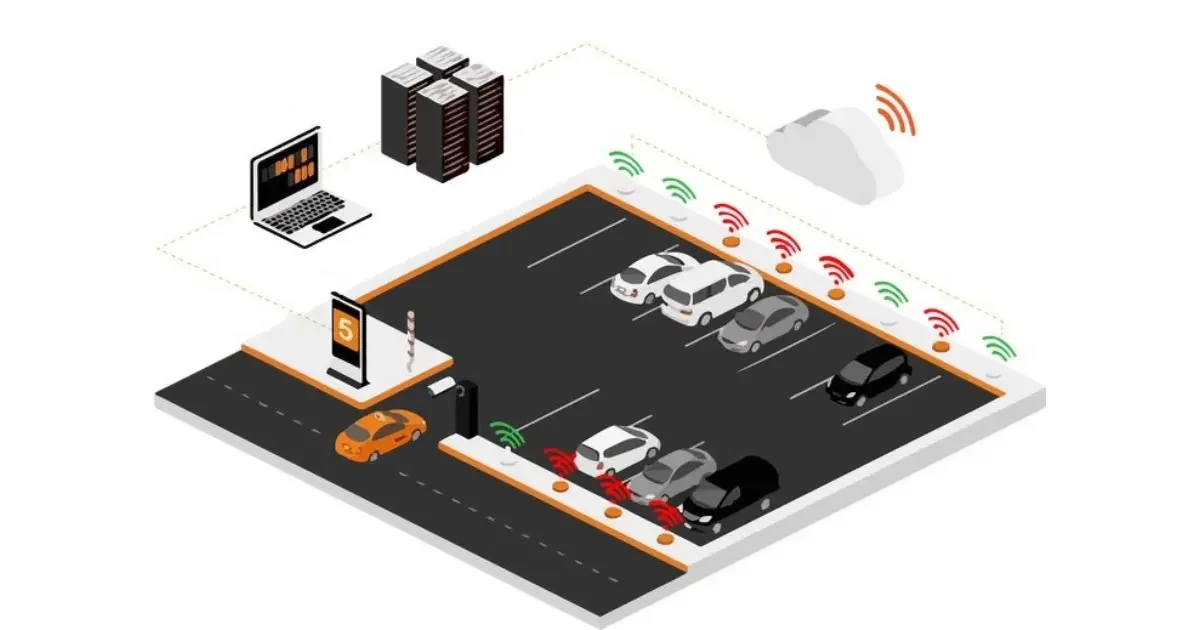
A cloud-based parking access control system lets you manage every gate, permit, and visitor from one online dashboard. Instead of installing local servers and handing out plastic fobs, you connect cameras, readers, and barriers to the cloud. The software then makes every access decision for you.
Property managers, developers, and municipalities now choose this approach because it cuts maintenance, tightens security, and uncovers new revenue. This guide explains how the technology works, which features matter most, and how to pick the right system for your property.
What Is a Cloud-Based Parking Access Control System?
A cloud-based parking access control system combines on-site hardware with remote software. Cameras, gates, and readers sit at your entrances, while the software runs on secure cloud servers. Managers log in from any browser to grant access, revoke permits, and review activity.
Traditional systems store data on a local server inside the building. If that server fails, the gates stop working. A cloud system moves that burden to a provider who updates, backs up, and monitors the platform around the clock.
How Does a Cloud-Based Parking Access Control System Work?
Most systems follow the same five steps:
Detect the vehicle: A camera or sensor spots a car at the entrance.
Identify the driver: The system reads the license plate, scans a QR code, or reads a credential.
Check permissions: Cloud software compares the credential against your rules, such as tenant permits, visitor passes, time windows, and blacklists.
Open or deny: The barrier lifts for approved vehicles. Unapproved vehicles stay out, and the system logs the attempt.
Record and report: Every entry and exit feeds your dashboard, where managers review occupancy, trends, and exceptions in real time.
The whole sequence takes seconds, and the driver never touches a ticket machine or key card.
Cloud-Based vs On-Premise Access Control
|
Factor |
Cloud-Based System |
On-Premise System |
|
Software updates |
The provider pushes updates automatically |
Your team installs updates manually |
|
Remote management |
Managers control access from any device |
Managers must work on-site or use a VPN |
|
Upfront cost |
Lower, because you skip the local server |
Higher, because you buy and house servers |
|
Scalability |
You add gates or locations in minutes |
You add hardware and server capacity |
|
Data backup |
The cloud backs up data continuously |
Your team runs and tests backups |
|
Downtime risk |
Redundant cloud servers reduce outages |
One server failure can stop every gate |
If you manage more than one entrance, or more than one property, the cloud model saves time almost immediately.
Key Features to Look For
Not every platform delivers the same value. Prioritize these features when you compare vendors.
License Plate Recognition (LPR)
LPR turns the plate into the credential. Drivers need no fob, card, or ticket, and managers can't lose a credential that doesn't exist. For a deeper look, read LocoMobi World's guide to a license plate recognition parking solution.
Real-Time Dashboard
A live dashboard shows occupancy, active permits, and gate status. Managers spot problems the moment they happen and fix them without driving to the site.
Flexible Permit and Visitor Management
Good systems let you issue monthly permits, temporary visitor passes, and one-time guest codes in seconds. Tenants can pre-register guests, and the software approves them automatically. See how this works in practice in LocoMobi's article on visitor and tenant management at the gate.
Touchless, Frictionless Entry
Drivers keep their windows up and their hands on the wheel. Touchless entry speeds up traffic and removes the shared-surface contact that card readers create.
AI-Powered Analytics
AI engines process large volumes of vehicle data in real time. They flag unusual activity, predict congestion, and help managers adjust rules before queues form. LocoMobi World, for example, builds its AI portal on NVIDIA-powered technology.
Integration and Open Architecture
Your parking system should connect with payment tools, building management software, and security platforms. Choose a vendor whose software fits the systems you already run.
Automated Enforcement and Reporting
The system should log every violation and generate audit-ready reports. Municipal and commercial operators rely on this data to enforce rules fairly and consistently.
Benefits of a Cloud-Based Parking Access Control System
It strengthens security: The system checks every vehicle against your rules and logs every event. Managers can also revoke a lost or stolen credential instantly, with no locks to change.
It cuts operating costs: Cloud platforms eliminate on-site servers and reduce the staff hours that manual gate management consumes.
It improves the driver experience: Drivers enter without stopping to search for a ticket, card, or fob. Tenants and guests notice the difference on day one.
It reveals new revenue: Operators can monetize underused spaces, sell short-term passes, and apply dynamic pricing. Detailed data shows exactly where those opportunities exist.
It scales with your portfolio: You manage one entrance or fifty from the same dashboard. When you add a property, you add it to the same account.
It keeps you current: The provider rolls out new features and security patches automatically, so your system never falls behind.
Who Uses a Cloud-Based Parking Access Control System?
Several property types gain the most from this technology:
Commercial buildings: Managers control tenant, employee, and visitor access across every level. Explore LocoMobi's commercial building solutions.
Condominiums: Boards and managers stop unauthorized parking and automate resident and guest access. See the condo parking solutions.
Municipalities: Cities manage on-street and off-street parking, and they can apply variable rates and automated enforcement. Learn more about municipal parking solutions.
Mixed-use developments: Operators share limited spaces among residents, shoppers, and workers. Review the mixed-use parking options.
New developments: Developers install modern technology from day one and offer tenants a premium experience. Visit construction and development.
How to Choose the Right System
Ask every vendor these seven questions before you sign:
Does the system support license plate recognition, QR codes, and mobile credentials?
Can my team manage permits and visitors from a browser or phone?
What happens at the gate if the internet connection drops?
Does the platform integrate with my payment, billing, and security tools?
How does the vendor handle data security, encryption, and privacy compliance?
Can I add gates and locations without replacing hardware?
Does the vendor offer both hardware and software, or must I assemble the pieces myself?
The last question matters more than most buyers expect. A single vendor that supplies cameras, gates, and software removes finger-pointing when something breaks. For a broader overview of how these components fit together, read LocoMobi's guide to smart parking management systems and its complete guide to intelligent vehicle management.
Frequently Asked Questions
What is a cloud-based parking access control system?
It is a parking entry system that combines on-site hardware, such as cameras and gates, with cloud software. The software verifies each vehicle, opens the barrier for approved drivers, and records every event online.
How does a cloud-based system differ from a traditional one?
A traditional system runs on a local server that your team must maintain. A cloud-based system runs on remote servers, so the provider handles updates and backups while you manage access from anywhere.
Does a cloud-based system still work when the internet goes down?
Many modern systems keep a local record of approved credentials, so gates continue to operate during short outages. Always confirm this offline behavior with your vendor before you buy.
Is a cloud-based parking access control system secure?
Yes, when the vendor uses encryption, role-based permissions, and regular security updates. The system also logs every entry, which gives you a clear audit trail.
Can it handle visitors and guests?
Yes. Tenants or managers can issue temporary passes or one-time codes, and the system expires them automatically.
Final Thoughts
A cloud-based parking access control system replaces keys, fobs, and manual checks with software that works for you around the clock. It secures your property, trims your costs, and gives drivers a smoother arrival. Whether you run a single condo or an entire city network, the cloud model lets you start small and grow without rebuilding.
Ready to Upgrade Your Parking Access?
LocoMobi World helps commercial buildings, condos, municipalities, and developers build touchless, AI-powered parking and vehicle access systems. Explore our solutions or contact our team today to get a tailored recommendation for your property.